The price of a weight-priced gold piece is built from four parts, and each part has its own logic. Once you can see those four numbers separately, comparing two jewellers becomes easy.
1. The gold itself
The weight of the piece multiplied by the day's rate for a gram of 18K gold. This figure is much the same in every shop, because the rate comes from the market rather than from the seller. If you see a large difference, the karat is probably not the same.
2. The making fee
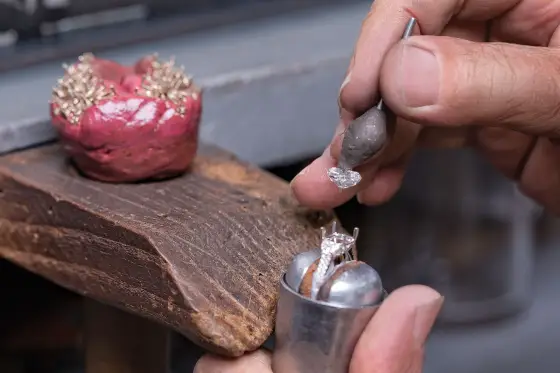
The cost of the work, as a percentage of the gold. This is where jewellers genuinely differ. A machine-made chain carries a fee of 7 to 12 per cent; a hand-made piece with chasing or filigree can be 20 to 30 per cent. A high fee is not overcharging in itself — it is paying for the craftsman's hours.
3. The retail margin
Usually 7 per cent on the gold and the making fee combined. This figure is more or less standard across the trade.
4. Value added tax
Nine per cent — but here is the important part: VAT is charged only on the making fee and the margin, not on the gold itself. If you see an invoice with 9 per cent applied to the whole amount, it is wrong and should be corrected.
The 9 per cent is on the fee and the margin, not on the whole price. On a large purchase, that single sentence can be worth a considerable sum.
A worked example
| Component | Amount (Toman) |
|---|---|
| Gold — 8.42 g x 9,150,000 | 77,043,000 |
| Making fee, 11% | 8,475,000 |
| Retail margin, 7% | 5,986,000 |
| VAT, 9% on fee and margin | 1,301,000 |
| Total | 92,805,000 |
And gem-set pieces?
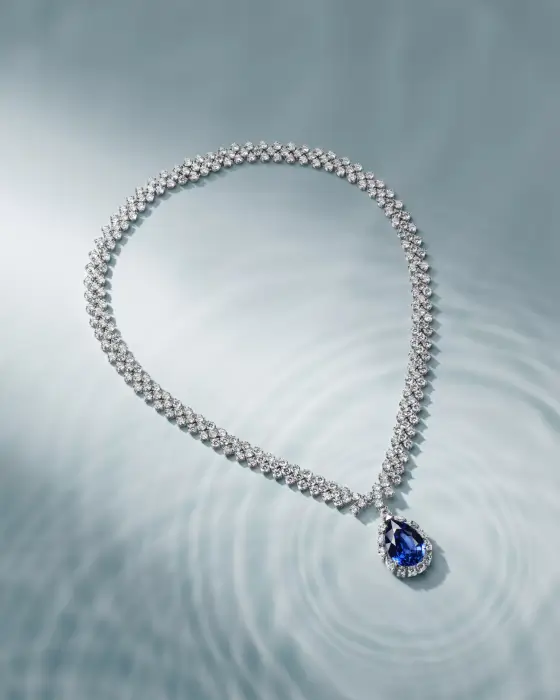
For pieces where the stone carries the value, this formula does not apply. The worth of an 8-carat sapphire bears no relation to the weight of gold around it. Those pieces are priced independently, and they should come with a stone report.